
Exit

Author Archives: americanalloyfab

About americanalloyfab

This is the "wpengine" admin user that our staff uses to gain access to your admin area to provide support and troubleshooting. It can only be accessed by a button in our secure log that auto generates a password and dumps that password after the staff member has logged in. We have taken extreme measures to ensure that our own user is not going to be misused to harm any of our clients sites.
  1. Process Piping in the Pharmaceutical Industry

    Comments Off on Process Piping in the Pharmaceutical Industry

    The pharmaceutical industry requires high-quality process piping systems to ensure the safe and efficient transportation of fluids and gases within manufacturing facilities. These systems must adhere to rigorous regulatory standards to guarantee the products’ integrity and purity. They must also be corrosion-resistant and capable of withstanding the meticulous cleaning and sterilization procedures.

    In this article, we will examine the critical role of industrial piping systems in the efficiency and effectiveness of pharmaceutical operations.

    Roles of Process Piping Networks in the Pharmaceutical Sector

    The following roles of piping networks ensure the continuous and reliable production of high-quality pharmaceutical products:

    Material Transport

    Piping networks form the arterial system of pharmaceutical manufacturing plants, facilitating the flow of raw materials, intermediates, and final products. Without efficient systems, manufacturing operations would have delays and bottlenecks. They connect various processing units such as reactors, mixers, centrifuges, and storage tanks ensuring seamless substance movements.

    Process Integration

    Efficient piping networks enable the continuous and coordinated movement of materials by linking various unit operations, such as synthesis, purification, filtration, and formulation. This integration streamlines production workflows, minimizes idle time between operations, and enhances overall manufacturing efficiency. Moreover, it allows for real-time adjustments and process optimization.

    Product Quality Assurance

    Piping networks play a crucial role in ensuring the quality and consistency of pharmaceutical products. By maintaining precise control of flow rates, pressure, and temperature, these networks contribute to the reproducibility and uniformity of manufacturing processes. Quality assurance measures integrated into piping systems also help minimize variations in product characteristics.

    Safety and Environmental Protection

    Process piping systems are engineered with safety and environmental considerations to prevent accidents, protect personnel, and minimize environmental impact. Measures such as pressure relief valves, rupture discs, and containment systems are incorporated to mitigate the risk of overpressure events. Secondary containment and leak detection systems are also implemented to prevent environmental pollution.

    Sterility Maintenance

    Pipes made from specialized materials like stainless steel, glass, and high-grade polymers are employed to prevent contamination and maintain product purity. They also often have sanitary fittings, smooth internal surfaces, and sterilize-in-place (SIP) capabilities to guarantee thorough cleaning and sterilization. These measures safeguard against microbial contamination, endotoxin buildup, and particulate contamination.

    Utility Distribution

    Piping networks are conduits for distributing essential utilities required for pharmaceutical manufacturing processes. These utilities include purified water, steam, compressed air, nitrogen, and process gases conveyed through the networks to support various production activities. For instance, purified water is used for formulation, cleaning, and equipment rinsing, while steam is utilized for sterilization.

    American Alloy Fabricators’ Approach to Process Piping Systems

    American Alloy Fabricators (AAF) meticulously designs and manufactures piping systems to cater to the needs of the pharmaceutical industry. Our team strictly adheres to ASME B31.3 standards, which ensures the highest level of quality and compliance with industry regulations. We also collaborate closely with clients to develop custom piping solutions tailored to their requirements.

    AAF’s commitment to excellence extends beyond the initial design and manufacturing phases to ongoing client collaboration. By actively engaging with clients, we ensure that the final piping system meets their unique needs and expectations. In addition, our systems are specially designed to enhance productivity, minimize downtime, and maintain product integrity.

    Choose American Alloy Fabricators for Your Piping Needs

    At AAF, we take pride in our expertise in process equipment builds! We design and create industrial piping systems tailored to the unique needs of industries ranging from pharmaceuticals to food processing. We also excel in fabricating pressure and plant vessels, storage tanks, and other components for efficient industrial operations.

    Contact us today to get started.
  2. Storage Tank Applications

    Comments Off on Storage Tank Applications
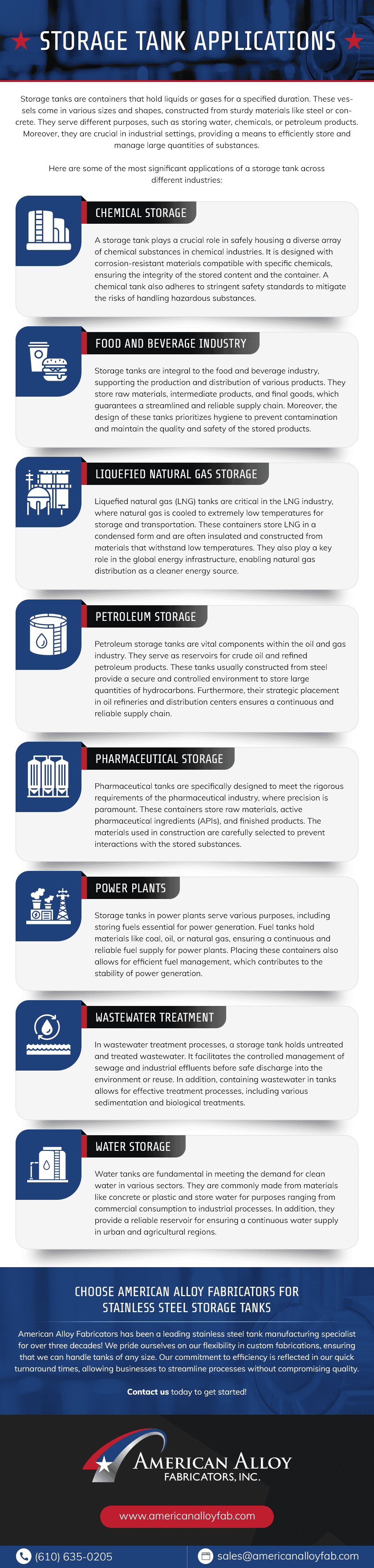
    Click to ExpandStorage Tank Applications

    Storage tanks are containers that hold liquids or gases for a specified duration. These vessels come in various sizes and shapes, constructed from sturdy materials like steel or concrete. They serve different purposes, such as storing water, chemicals, or petroleum products. Moreover, they are crucial in industrial settings, providing a means to efficiently store and manage large quantities of substances.

    Here are some of the most significant applications of a storage tank across different industries:

    1. Chemical Storage

    A storage tank plays a crucial role in safely housing a diverse array of chemical substances in chemical industries. It is designed with corrosion-resistant materials compatible with specific chemicals, ensuring the integrity of the stored content and the container. A chemical tank also adheres to stringent safety standards to mitigate the risks of handling hazardous substances.

    2. Food and Beverage Industry

    Storage tanks are integral to the food and beverage industry, supporting the production and distribution of various products. They store raw materials, intermediate products, and final goods, which guarantees a streamlined and reliable supply chain. Moreover, the design of these tanks prioritizes hygiene to prevent contamination and maintain the quality and safety of the stored products.

    3. Liquefied Natural Gas Storage

    Liquefied natural gas (LNG) tanks are critical in the LNG industry, where natural gas is cooled to extremely low temperatures for storage and transportation. These containers store LNG in a condensed form and are often insulated and constructed from materials that withstand low temperatures. They also play a key role in the global energy infrastructure, enabling natural gas distribution as a cleaner energy source.

    4. Petroleum Storage

    Petroleum storage tanks are vital components within the oil and gas industry. They serve as reservoirs for crude oil and refined petroleum products. These tanks usually constructed from steel provide a secure and controlled environment to store large quantities of hydrocarbons. Furthermore, their strategic placement in oil refineries and distribution centers ensures a continuous and reliable supply chain.

    5. Pharmaceutical Storage

    Pharmaceutical tanks are specifically designed to meet the rigorous requirements of the pharmaceutical industry, where precision is paramount. These containers store raw materials, active pharmaceutical ingredients (APIs), and finished products. The materials used in construction are carefully selected to prevent interactions with the stored substances.

    6. Power Plants

    Storage tanks in power plants serve various purposes, including storing fuels essential for power generation. Fuel tanks hold materials like coal, oil, or natural gas, ensuring a continuous and reliable fuel supply for power plants. Placing these containers also allows for efficient fuel management, which contributes to the stability of power generation.

    7. Wastewater Treatment

    In wastewater treatment processes, a storage tank holds untreated and treated wastewater. It facilitates the controlled management of sewage and industrial effluents before safe discharge into the environment or reuse. In addition, containing wastewater in tanks allows for effective treatment processes, including various sedimentation and biological treatments.

    8. Water Storage

    Water tanks are fundamental in meeting the demand for clean water in various sectors. They are commonly made from materials like concrete or plastic and store water for purposes ranging from commercial consumption to industrial processes. In addition, they provide a reliable reservoir for ensuring a continuous water supply in urban and agricultural regions.

    Choose American Alloy Fabricators for Stainless Steel Storage Tanks

    American Alloy Fabricators has been a leading stainless steel tank manufacturing specialist for over three decades! We pride ourselves on our flexibility in custom fabrications, ensuring that we can handle tanks of any size. Our commitment to efficiency is reflected in our quick turnaround times, allowing businesses to streamline processes without compromising quality.

    Contact us today to get started!

  3. Advantages of Pressure Vessels

    Comments Off on Advantages of Pressure Vessels
    Click to ExpandAdvantages of Pressure Vessels

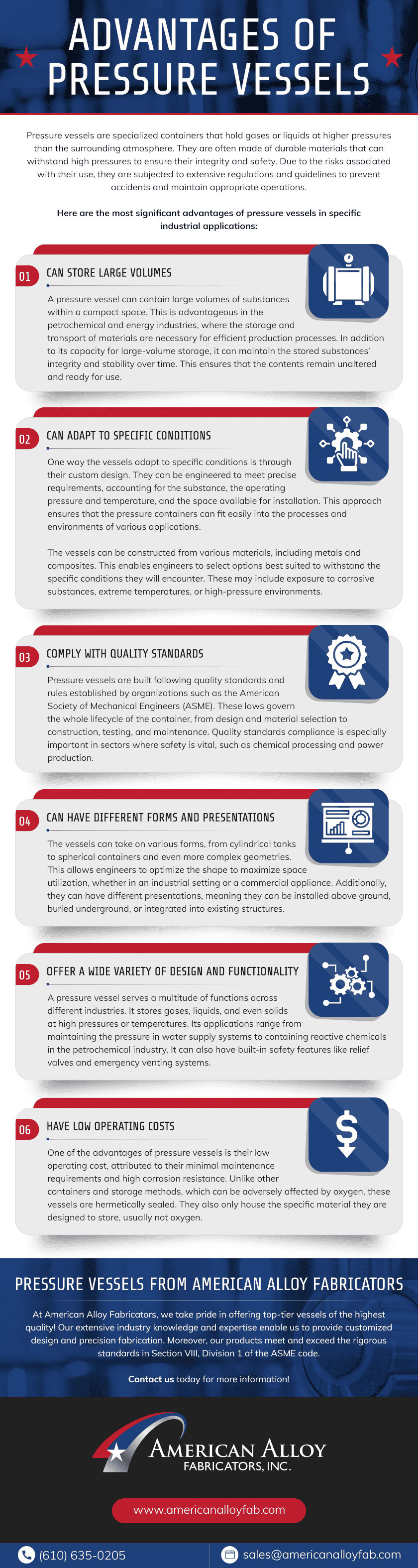
    Pressure vessels are specialized containers that hold gases or liquids at higher pressures than the surrounding atmosphere. They are often made of durable materials that can withstand high pressures to ensure their integrity and safety. Due to the risks associated with their use, they are subjected to extensive regulations and guidelines to prevent accidents and maintain appropriate operations.

    Here are the most significant advantages of pressure vessels in specific industrial applications:

    1. Can Store Large Volumes

    A pressure vessel can contain large volumes of substances within a compact space. This is advantageous in the petrochemical and energy industries, where the storage and transport of materials are necessary for efficient production processes. In addition to its capacity for large-volume storage, it can maintain the stored substances’ integrity and stability over time. This ensures that the contents remain unaltered and ready for use.

    2. Can Adapt to Specific Conditions

    One way the vessels adapt to specific conditions is through their custom design. They can be engineered to meet precise requirements, accounting for the substance, the operating pressure and temperature, and the space available for installation. This approach ensures that the pressure containers can fit easily into the processes and environments of various applications.

    The vessels can be constructed from various materials, including metals and composites. This enables engineers to select options best suited to withstand the specific conditions they will encounter. These may include exposure to corrosive substances, extreme temperatures, or high-pressure environments.

    3. Comply With Quality Standards

    Pressure vessels are built following quality standards and rules established by organizations such as the American Society of Mechanical Engineers (ASME). These laws govern the whole lifecycle of the container, from design and material selection to construction, testing, and maintenance. Quality standards compliance is especially important in sectors where safety is vital, such as chemical processing and power production.

    4. Can Have Different Forms and Presentations

    The vessels can take on various forms, from cylindrical tanks to spherical containers and even more complex geometries. This allows engineers to optimize the shape to maximize space utilization, whether in an industrial setting or a commercial appliance. Additionally, they can have different presentations, meaning they can be installed above ground, buried underground, or integrated into existing structures.

    5. Offer a Wide Variety of Design and Functionality

    A pressure vessel serves a multitude of functions across different industries. It stores gases, liquids, and even solids at high pressures or temperatures. Its applications range from maintaining the pressure in water supply systems to containing reactive chemicals in the petrochemical industry. It can also have built-in safety features like relief valves and emergency venting systems.

    6. Have Low Operating Costs

    One of the advantages of pressure vessels is their low operating cost, attributed to their minimal maintenance requirements and high corrosion resistance. Unlike other containers and storage methods, which can be adversely affected by oxygen, these vessels are hermetically sealed. They also only house the specific material they are designed to store, usually not oxygen.

    Pressure Vessels From American Alloy Fabricators

    At American Alloy Fabricators, we take pride in offering top-tier vessels of the highest quality! Our extensive industry knowledge and expertise enable us to provide customized design and precision fabrication. Moreover, our products meet and exceed the rigorous standards in Section VIII, Division 1 of the ASME code.

    Contact us today for more information!

  4. Welding Techniques

    Comments Off on Welding Techniques

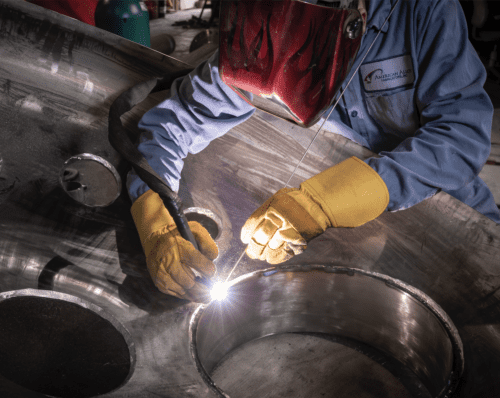
    Welding is the heart of our operation at American Alloy. We use different welding techniques because no two jobs are ever quite the same. Some demand absolute purity, others maximum strength. What sets us apart is how we match each weld to its real-world application, using proven welding techniques every step of the way.

    TIG Welding: Precision and Cleanliness

    When it comes to ultra-clean, high-purity welds, our TIG welding services lead the way. This method uses a non-consumable tungsten electrode and an argon shielding gas to keep the weld zone protected and precise. It’s our go-to method for materials like thin stainless steel or nickel alloys, anywhere that even trace contamination can’t be allowed.

    We regularly use TIG in industries such as:

    • Pharmaceutical
    • Food and beverage
    • Biotechnology
    • Chemical processing

    Our TIG welding services offer several key advantages:

    • Minimal spatter, making cleanup easier and welds cleaner
    • Precise heat control to avoid distortion in sensitive areas
    • Strong, corrosion-resistant joints for long-term reliability
    • The ability to weld fine details or intricate components

    Whether it’s orbital tubing or manual pipe welding, TIG is the clear choice when accuracy and cleanliness are non-negotiable.

    MIG Welding: Speed Meets Strength

    For projects that demand efficiency and fast turnaround, our MIG welding services deliver every time. By feeding a consumable wire electrode through a welding gun and protecting the weld with shielding gas, we achieve solid joins with clean results, ideal for high-output environments.

    Our skilled welders use MIG for:

    • Large tank fabrication
    • Structural components
    • Frames, supports, and brackets
    • Mild steel and aluminum assemblies

    The advantages of MIG welding services include:

    • High deposition rates for faster welds
    • Easy automation and repeatability
    • Cleaner finish with less slag to remove
    • Suitable for thicker materials and long seams

    MIG is particularly well-suited for production-scale jobs where speed and strength are critical, without sacrificing quality or consistency.

    Stick Welding: Tough and Versatile

    When working in outdoor or rugged environments, we turn to our expert stick welder team for Shielded Metal Arc Welding (SMAW). This versatile method uses a consumable, flux-coated electrode and is ideal for heavy materials, field installations, and repairs.

    We use stick welding in:

    • Power plants and chemical refineries
    • Structural steel assembly
    • Maintenance and repair projects
    • High-wind or outdoor conditions

    Why choose a stick welder?

    • No external shielding gas required
    • Performs well in windy or dirty environments
    • Strong welds on thick or corroded surfaces
    • Cost-effective for fieldwork and low-volume fabrication

    While not as clean as TIG or as fast as MIG, stick welding remains a vital part of our capabilities, especially when reliability and adaptability matter most.

    Choosing the Right Welding Technique

    Not every project demands the same process. Our experienced engineers and welders assess multiple factors before selecting the best method, including:

    • Base metal type and thickness
    • Joint accessibility
    • Code compliance and inspection criteria
    • Structural vs. sanitary requirements
    • Environmental conditions (e.g., cleanroom vs. field)

    This tailored approach ensures every weld, from a pharmaceutical-grade pipe to a chemical reactor support frame, is executed with the appropriate process and utmost attention to detail.

    Why American Alloy Fabricators?

    What sets us apart isn’t just time in the field, it’s the depth of technical knowledge we bring to each job. We’ve mastered a wide range of different welding techniques and back it up with ASME Section IX certifications, full weld documentation, and traceable inspection records.

    Clients trust us because:

    • We deliver X-ray and dye-penetrant-tested welds
    • Our welders are cross-trained in multiple methods
    • We meet critical industry certifications
    • Every weld is backed by quality control from start to finish

    Let’s Talk Welding

    From sanitary systems to structural welds, we’ve got the capability and the crew. Our certified team delivers precision TIG welding services, high-output MIG welding services, and field-proven results from our skilled stick welders. No matter the application, we’ll help you choose the best welding strategy to get it done right.

    Contact us today or request an estimate. Let’s talk about how our welding techniques can be customized for your next job.

  5. ASME Section VIII Compliance: What You Need to Know

    Comments Off on ASME Section VIII Compliance: What You Need to Know

    ASME Section VIII is a key standard governing the design, fabrication, and inspection of pressure vessels. This section, part of the ASME Boiler and Pressure Vessel Code (BPVC), guarantees the safety, reliability, and regulatory compliance of pressure vessels used in a variety of industries. At American Alloy Fabricators, Inc., we specialize in custom pressure vessels that meet or exceed ASME code requirements, making high-quality products for critical applications.

    What is ASME Boiler and Pressure Vessel Code?

    Click to Enlarge

    ASME Section VIII Compliance: What You Need to Know

    The ASME Boiler and Pressure Vessel Code (BPVC) is a collection of standards that regulate the design, manufacturing, and inspection of boilers and pressure vessels. Section VIII, which addresses pressure vessels, includes guidelines for materials, design calculations, welding procedures, and testing protocols. ASME code compliance is crucial for making sure that pressure vessels are safe, durable, and capable of withstanding high-pressure environments.

    ASME Section VIII: Overview and Requirements

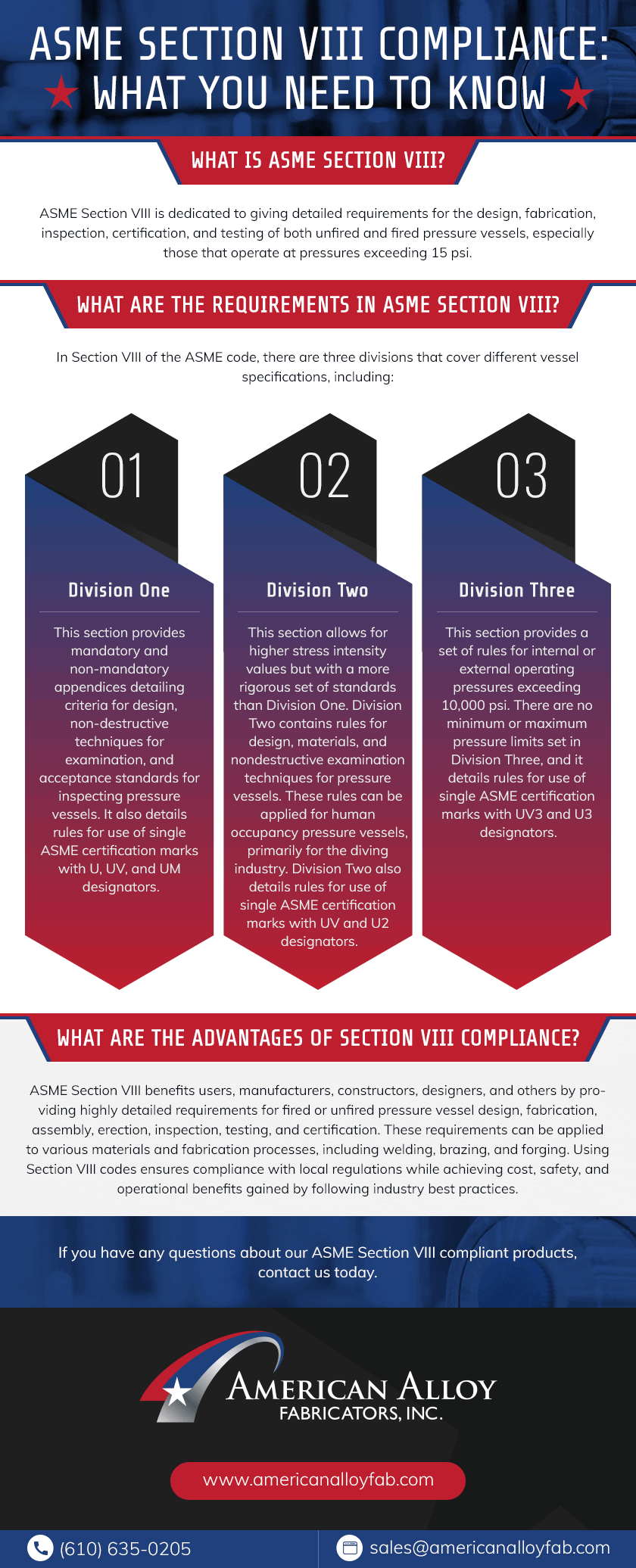
    Section VIII of the ASME Code outlines the requirements for pressure vessels used in high-pressure or high-temperature applications. It is divided into three divisions:

    • Division 1: General requirements for most pressure vessels.
    • Division 2: Additional design requirements for vessels that operate at higher pressures.
    • Division 3: Requirements for vessels designed for extremely high pressures.

    Each division includes specific guidelines for design, material selection, fabrication, and testing to guarantee the pressure vessel meets safety standards and performs reliably.

    Benefits of ASME Code Compliance for Pressure Vessels

    ASME code compliance offers several key benefits:

    • Safety: Pressure vessels that meet ASME standards are less likely to fail, reducing the risk of accidents.
    • Reliability: Compliant vessels are more durable and dependable, ensuring continuous operation.
    • Legal Compliance: Meeting ASME code requirements ensures compliance with industry regulations, preventing penalties and legal issues.

    Inspection and Certification Process

    Pressure Vessel ASME Section 8

    Pressure vessels must undergo a detailed inspection process to achieve ASME Section VIII certification. This includes:

    • Design Review and Approval: Review the pressure vessel design to ensure it aligns with ASME Section VIII requirements. Confirm design calculations, material selection, welding procedures, and safety features meet ASME Boiler and Pressure Vessel Code.
    • Material Inspection: Verify that all materials meet ASME standards for quality and durability. Ensure materials are sourced from approved suppliers and their certifications match required specifications.
    • Fabrication and Welding: Follow approved design and welding procedures during fabrication. Ensure welders are qualified, and welding procedures meet ASME standards.
    • Non-Destructive Testing (NDT): Perform non-destructive testing (NDT) to detect structural issues, including ultrasonic testing (UT) for internal material flaws, radiographic testing (RT) for internal weld inspection, and magnetic particle testing (MT) and dye penetrant testing (PT) for surface defects.
    • Hydrostatic Pressure Testing: Subject the vessel to a hydrostatic test by filling it with water and pressurizing it beyond its operational limits. Ensure the vessel holds pressure without leaks or deformation.
    • Final Visual Inspection: Conduct a thorough visual inspection to ensure proper fabrication and assembly. Check for any overlooked defects or issues from earlier inspections.
    • Certification and ASME U Stamp: Apply the ASME U Stamp to certify the vessel has been built, tested, and inspected according to ASME Section VIII standards. Ensure the vessel meets all safety, reliability, and regulatory compliance requirements.
    • Third-Party Inspection: Work with certified third-party inspectors throughout the process to validate compliance with ASME standards. Inspectors review the design, materials, fabrication, and test results for full ASME Section VIII compliance.

    Be Pressure Safe with American Alloy Fabricators, Inc.

    Looking for custom pressure vessels that meet the highest safety and quality standards? Feel free to contact us to discuss your project needs and learn how our ASME Section VIII compliance guarantees reliable, safe solutions customized to your specifications. Reach out to our team today for expert guidance and a personalized quote!

  6. The Benefits of Using Process Skid Systems

    Comments Off on The Benefits of Using Process Skid Systems

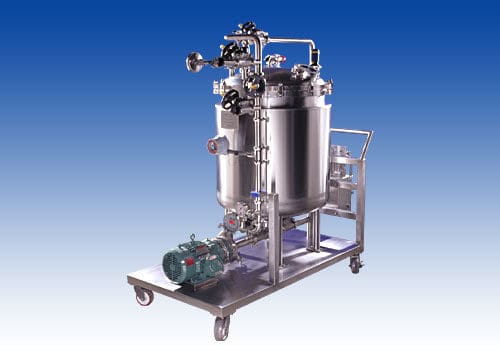
    Whether you’re a pharmaceutical technician, a commercial chemist, a biotech engineer or a food processing plant manager, you will likely need a skid system for your equipment.

    The Benefits of Skid Systems

    CIP Skids

    Skid systems elevate expensive storage tanks, pressure vessels, and heat exchangers to prevent breakdowns due to high temperatures, chemical corrosion, and spills. Skids allow for faster cooling and easy cleanup and can alleviate the necessity of having to manually lift equipment to ensure a safe and clean working environment.

    Yet not all skid systems are the same. While some fabricators specialize in creating standardized systems, most systems require a custom-made processing skid. In fact, most systems should be custom-made due to the unique spatial area of the facility they occupy or the distinctive way the organization arranges its equipment.

    While certain manufacturers may need a clean-in-place (CIP) skid system, laboratories or food processing plants may require a sterilization-in-place (SIP) skid system. In both cases, skid systems allow facilities to more easily meet OSHA regulations, EPA standards FDA guidelines, or other governing body parameters.

    Skids can also help maintain productivity. In facilities where manufacturing or processing must take place around the clock, a skid system allows one part of the operation to produce while another part is being cleaned or sterilized.

    American Alloy Fabricators for your skid system needs

    Don’t take chances with your business. Processing skids fabricated by American Alloy can add significant time to the life of your equipment and reduce the labor required to maintain it. Call one of our fabrication specialists today to request an estimate and ensure your processing needs are met.

  7. Electropolishing – Key to Fighting Contamination

    Comments Off on Electropolishing – Key to Fighting Contamination

    Mention the term electropolishing and most people get an image of a bright, reflective metal surface—whether it is found on a diner wall, behind the scenes of an operating room or in the form of a laboratory instrument. While it is true that electropolishing has long been used to shine up many metals, especially stainless steel, the reason why may be much more than just appearance.

    Electropolishing (also known as electrochemical polishing or electrolytic polishing) is critical to reducing contaminants in equipment used in industries that touch peoples’ health. These industries include, food and beverage, cosmetics and—perhaps most critical—pharmaceutical and biotechnology. During the normal course of alloy fabrication, bending, grinding, machining and other normal processes change the metal surfaces significantly. These alterations take the form of burrs, scales and tooling marks. Without treatment, these surface imperfections can be a focal point for infection or metal contamination.

    Electropolishing removes this surface material from metal. It deburrs and polishes metal parts. This is particularly useful when applied to objects of complex shape, such as the storage and pressurized tanks used in the pharmaceutical and biotechnology industries. Electropolishing may also be used in place of the abrasive fine polishing in microstructural preparation.

    Smoother, Cleaner Surfaces

    Electropolishing occurs through the electrolytic removal of metal in a highly ionic solution by means of an electric potential and current. In this process, the work piece is typically immersed in a temperature-controlled bath of electrolyte. It is then connected to the positive terminal of a DC power supply, while the negative terminal is attached to the cathode. A current passes from the anode, where metal on the surface is oxidized and dissolved in the electrolyte, to the cathode. At the cathode, a reduction reaction occurs.

    A particular advantage of electropolishing can be found among the chemical interactions that occur on the surface of the metal. Electropolishing levels the grain boundaries of the metal; this, in turn, removes sites for potentially contaminating dirt, microorganisms and chemicals to accumulate.

    Another benefit is the reduction of surface area of the grain boundaries (this step is also known as microfinishing). Grain boundaries are often prone to corrosion. During microfinishing, surface metal on the work piece is greatly reduced, leaving the part much smoother both visually and measurably by a profilometer.

    A Beneficial Process

    Highly sophisticated surface analysis reveals the many benefits that are derived from the fine surface finishing achieved through electropolishing. In general, it is much better to restore a metal surface than to coat a defect. Electropolishing has proven itself to be a critical step in alloy fabrication, a step that is best performed by superior crafts people employed by superior vendors and service providers.

  8. 5 Factors to Consider When Choosing a Custom Metal Fabrication Shop

    Comments Off on 5 Factors to Consider When Choosing a Custom Metal Fabrication Shop


    custom fabrication shopChoosing a custom metal fabrication facility is an important decision that can deeply affect the level of your production quality and the overall rate of your manufacturing process.

    Here are five factors to consider when choosing a custom metal fabrication shop:

    1. Experience

    A reputable custom metal fabrication shop won’t hesitate to show you the credentials of its engineers, designers and fabricators. Nor will it shy away from providing references from satisfied customers. A well-established record may be the best reason of all to choose a particular shop.

    2. Capability

    Versatility is a fairly clear indicator of whether a fabrication shop can meet your needs. Certain industries require specialized non-standard equipment, adherence to strict hygienic and sanitary standards, or the use of custom fabricated products that can withstand extreme conditions.

    Not every metal fabrication shop has the capability to provide custom products that adhere to the variety of design, build, and finishing regulations required by certain industries.

    3. Industries Served

    Every industry has its own unique compliance and regulation requirements. If a metal fabrication shop consistently delivers quality products to manufacturers spanning the chemical, pharmaceutical, biotechnology, and food processing industries, chances are they can handle even the most demanding requests.

    Between them, these industries have the process manufacturing industry’s strictest set of guidelines and specifications. If they serve these industries regularly, and their customers have indicated a high satisfaction with their products, add them to the top of your list.

    4. Materials Used

    Good metal fabrication companies only use the highest quality materials. Ensuring the fabricator has access to the appropriate grade of stainless steel or metal alloy necessary to completing your project is an obvious, but critical element that can go overlooked in the early stages of deciding between fabrication shops.

    Reputable custom fabrication designers typically tackle this topic right away to make sure you understand what they will use for your project and why.

    5. Turnaround and Price

    Cost is a major consideration in choosing the right shop, and this comes down to what you pay for labor and material. While a project’s turnaround time is important, so is making sure the job gets done right.

    A quick turnaround is always preferred, but only the best fabricators can meet a quick deadline without cutting corners. Good design engineers will walk you through the production process and give you a reasonable idea of when to expect delivery of your high-quality product.